
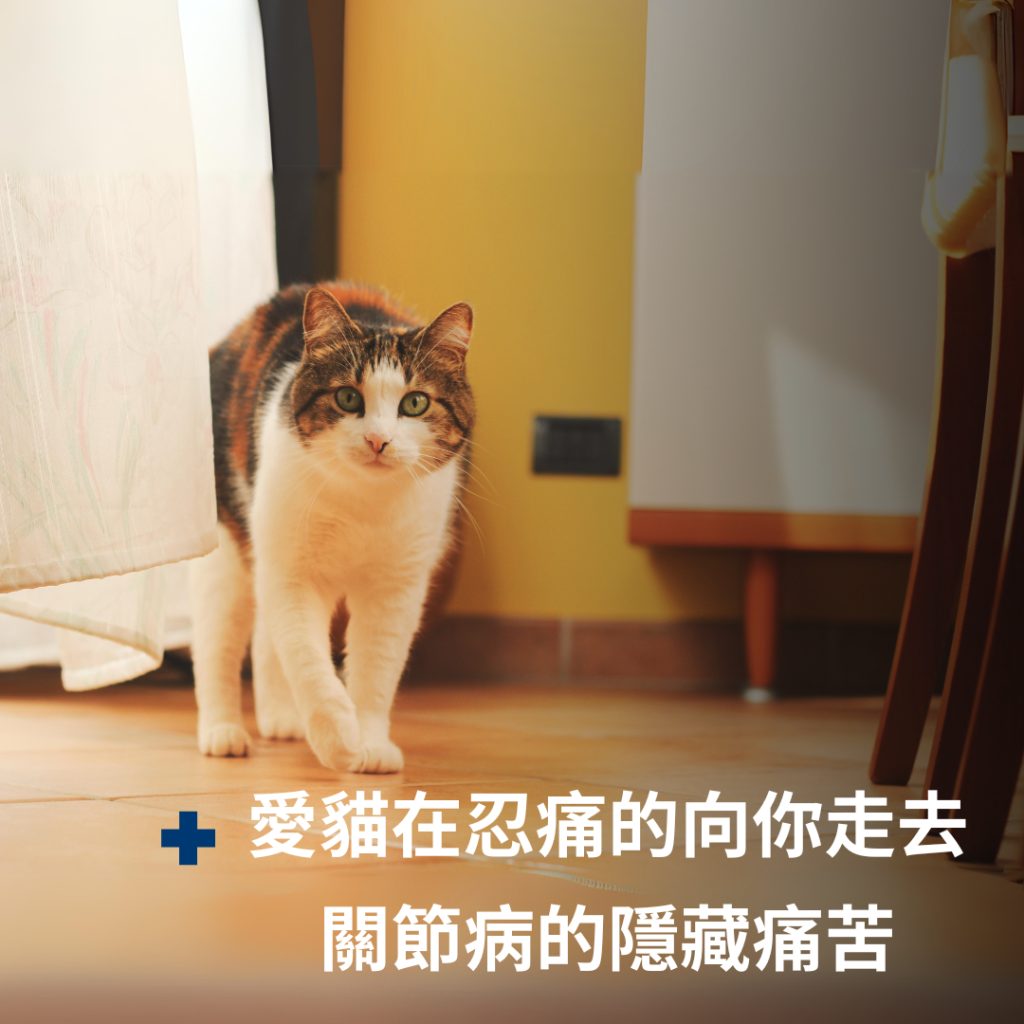
Your Beloved Cat is Silently Suffering from the Pains of Arthritis
Your Beloved Cat is Silently Suffering from the Pains of Arthritis
When it comes to cats, joint problems are inevitable, whether due to genetic predisposition or the natural wear and tear of aging.
This article will cover:
♦Common Symptoms of Feline ArthritisCommon Symptoms of Feline Arthritis
♦Causes of Joint Problems in CatsCauses of Joint Problems in Cats
♦How to Reduce the Risk of Joint Problems in Cats?
♦Treatment for Feline Joint ProblemsTreatment for Feline Joint Problems
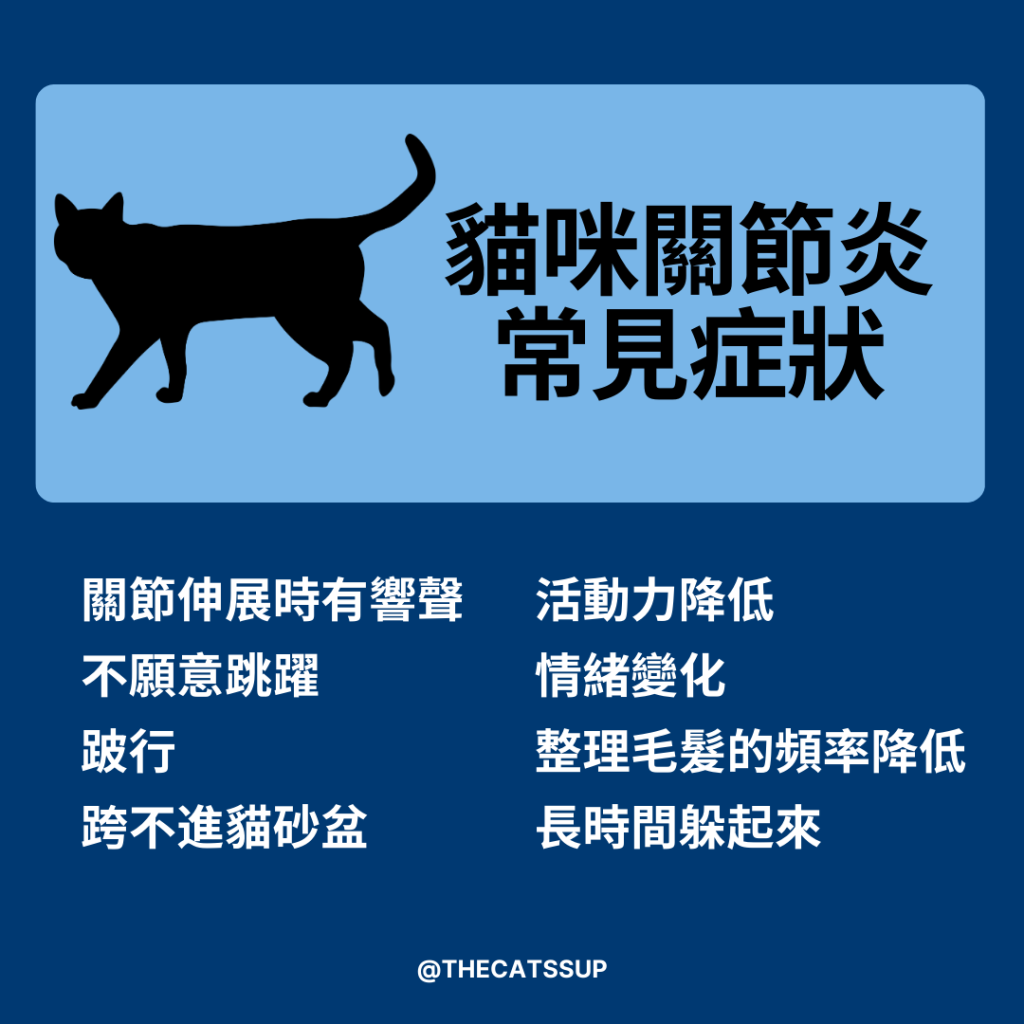
Common Symptoms of Feline ArthritisCommon Symptoms of Feline Arthritis
- Crepitus in the Joints: This is already a fairly severe symptom.
- Reluctance to Jump: If a cat starts avoiding jumping down from or up to high places, it may be a sign of joint discomfort.
- Decreased Activity: A reduction in a cat's daily activity levels could mean they are experiencing discomfort.
- Limping: Cats limping while walking or stiffness in their limbs while resting are signs to watch for.
- Difficulty Entering the Litter Box: If a cat struggles to easily get into the litter box, it may be due to mobility issues caused by joint problems.
- Mood Changes: A cat becoming more irritable or less inclined to interact could be due to the impact of pain on their mood.
- Reduced Grooming: Cats usually groom themselves, so if they become less diligent about it, it may be because their movement is restricted.
- Increased Time Spent Hiding: When a cat spends more time hiding and sleeping, it could be because they feel unwell.
Cats Showing "Paw Lifting" Behavior
Another crucial sign is when cats exhibit "paw lifting" behavior.
If a cat shows this behavior, the owner can gently stroke and massage the area to observe the cat's reaction. If the response is generally normal, there's no need for excessive worry, as cats can exhibit paw lifting while in a pensive state. However, if the cat displays signs of discomfort, it's recommended to take them to the veterinarian for an examination.
Causes of Joint Problems in CatsCauses of Joint Problems in Cats
- Wear and Tear: As cats age, their joints may become increasingly weakened.
- Abnormal Development: The cartilage around the joints may be affected by abnormal hip joint development.
- Injury: A cat's joint fracture or injury can lead to the development of arthritis.
- Obesity: Excessive bodyweight can put a strain on the joints and even exacerbate the symptoms.
- Genetic Factors: Certain cat breeds are more prone to joint issues due to abnormal joint cartilage or hip development. This is most common in Maine Coons, Persians, Scottish Folds, and Siamese cats, and is unavoidable.
How to Reduce the Risk of Joint Problems in Cats?
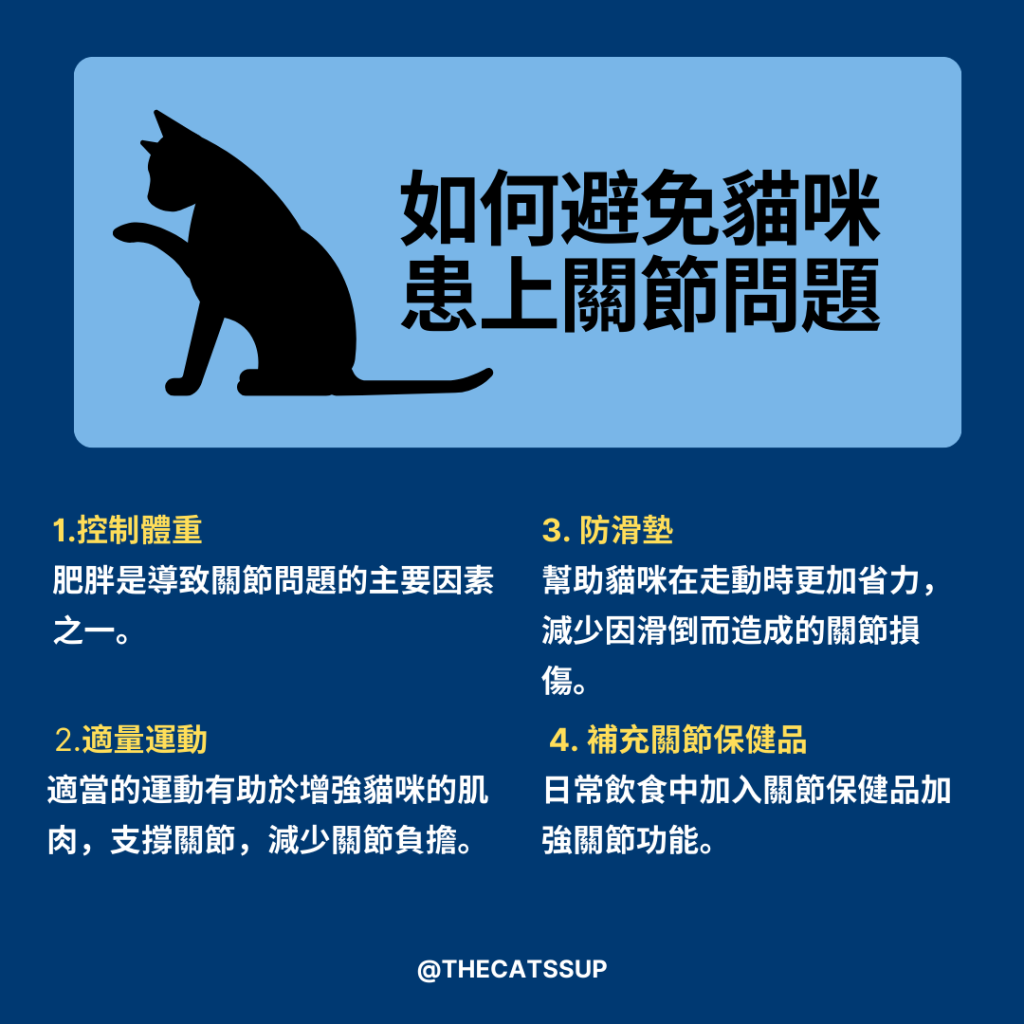
- Control Body Weight
Obesity is a primary factor contributing to joint issues. Regularly monitoring the cat's weight and ensuring they maintain a healthy weight can help reduce the stress on their joints. Appropriate diet and exercise can aid in this.
- Provide Moderate Exercise
Appropriate exercise helps build muscle to support the joints and reduce the load on them. Engaging the cat in play with toys, such as wands or rolling balls, can encourage them to be active.
- Use Non-Slip Mats
Placing non-slip mats around the home can help cats move more easily, reducing the risk of slips and falls that can cause joint injuries, especially on smooth floor surfaces.
- Supplement with Joint Health Products
Owners can incorporate joint health supplements, such as glucosamine and chondroitin, into the cat's daily diet. It is also recommended to include green-lipped mussel, as it has been proven effective in alleviating arthritis and pain, benefiting both pets and humans.
Treatment for Feline Joint ProblemsTreatment for Feline Joint Problems

- Incorporating joint health supplements into the daily diet
- Non-steroidal anti-inflammatory drugs (NSAIDs): This is the most common treatment for feline arthritis.
- Pain Medication: In some cases, if NSAIDs are not appropriate or effective, the cat may be prescribed pain relievers.
- Injectable Joint Protectants: This type of treatment can help alleviate the pain of arthritis. The veterinarian will administer injections of glycosaminoglycan-based medications every 4 weeks or so to support joint health.
- Acupuncture: Although research on using acupuncture for feline arthritis is limited, more and more people are adopting traditional Chinese medicine techniques to help alleviate the symptoms of joint problems in cats.
- Photobiomodulation Therapy (PBMT): This non-invasive, painless therapy allows the veterinarian to move a small device over the pet's fur, emitting therapeutic light waves. This treatment has been shown to reduce pain and inflammation in joint arthritis, but it can be quite expensive.
Since cats often only start showing signs of joint discomfort when the problem is already quite severe, it is recommended that owners proactively implement joint health measures for their cats and be vigilant in detecting early signs of arthritis to take appropriate care in a timely manner.
 English
 香港中文