

Don't Let Kidney Disease Steal Your Beloved Cat
One in every two cats may develop kidney disease. For owners caring for cats with kidney issues, they face daily tasks such as subcutaneous fluid administration, tube feeding, monitoring appetite, and adjusting bowel movements. Beyond the time and effort required, the constant worry and anxiety are the hardest parts for pet owners when their cat is ill.
"Prevention is better than cure" - this adage is absolutely true when it comes to feline kidney disease. Who doesn't want their furry friend to enjoy a long, healthy life by their side? Diet is one of the key factors affecting kidney disease, and it's also the most direct way we can protect our cats. By adjusting their diet, we can significantly reduce the risk of them developing kidney issues and allow them to continue enjoying delicious, nutritious meals throughout their lives.
Many cats with kidney disease require major dietary changes. Watching them struggle to adapt to a new diet for the sake of their health can be heartbreaking. Since they'll eventually need to change their diet anyway, why not start early? This way, they can develop healthy eating habits from the beginning and enjoy a tasty, healthy feline life.
As cats age, their chances of developing kidney disease increase. Kidney failure is a progressive condition that leads to gradual decline in kidney function, preventing them from operating normally and affecting the health of other organs.
The bad news is that declining kidney function is irreversible.The bad news is that once a cat's kidney function starts deteriorating, it's irreversible.
The good news is that with proper care, kidney disease need not compromise a cat's quality of life.
This article will cover:
♦Early symptoms of cats with kidney issues
♦How to prevent cats from developing kidney problems and reduce the risk
♦Causes of Kidney Disease in Cats:
♦The Best Defense Against Kidney Disease?
Early symptoms of cats with kidney issues
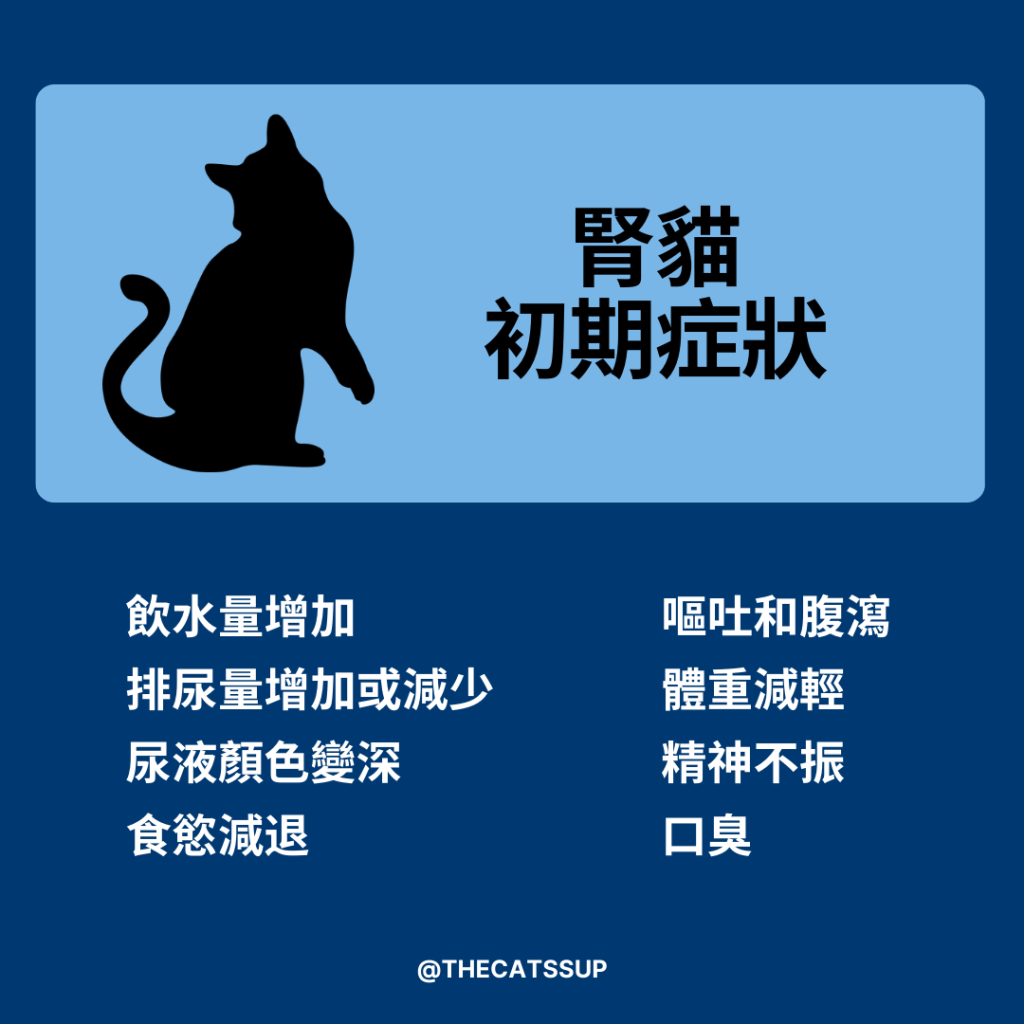
- Increased Drinking: The kidneys are unable to effectively concentrate urine, causing the cat to drink more water to flush out waste from the body.
- Increased or Decreased Urination: Declining kidney function can lead to either increased or decreased urine output, and may even cause difficulties urinating.
- Darker Urine Color: The kidneys are unable to effectively filter toxins from the bloodstream, causing the urine to appear darker in color.
- Reduced Appetite: Kidney disease can affect the cat's digestive system, leading to a decreased appetite.
- Vomiting and Diarrhea: The kidneys' inability to effectively eliminate waste can cause vomiting and diarrhea.
- Weight Loss: Kidney disease can lead to poor nutrient absorption, resulting in weight loss.
- Lethargy: Kidney disease can cause the cat to feel physically weak and lethargic.
- Bad Breath: The kidneys' inability to effectively eliminate waste can lead to bad breath.
How to prevent cats from developing kidney problems and reduce the risk

- Adequate Fluid Intake: Encourage Increased Water Consumption: Provide multiple water sources, such as drinking fountains, ceramic bowls, and water dispensers, to make it easier for the cat to access water. Try Different Bowl Materials: Experiment with ceramic, stainless steel, or glass bowls to see the cat's preference. Place Water Bowls in High-Traffic Areas: Near the feeding area, sleeping spots, etc. Choose High-Moisture Foods: Canned food, fresh/raw diets, or wet food with a high water content.
- Avoid Dry Food as the Primary Diet: Opt for high-moisture foods as the main source, as dry kibble lacks water and can significantly burden the kidneys, similar to how humans should not subsist solely on dry crackers.
- Low-Phosphorus Diet: A low-phosphorus diet can help alleviate and slow the progression of kidney disease. Owners canfurther knowledge on low-phosphorus dietary options for cats.。
- Regular Health Checks: Annual Veterinary Checkups: The vet can assess the cat's kidney function and identify any potential issues early on.
- Routine Urine Testing: Monitor the color, odor, and concentration of the urine, and seek veterinary attention for any abnormalities.
- Maintain Ideal Body Weight: Control the Cat's Weight: Obesity can increase the burden on the kidneys and the risk of kidney disease.
- Encourage Appropriate Exercise: Provide toys and opportunities for the cat to be active, such as climbing trees.
- Avoid Toxic Substances: Steer Clear of Pesticides, Cleaners, and Chemicals: These substances can potentially harm the cat's kidneys.
- Recognize Early Symptoms of Kidney Disease: Monitor Behavioral Changes: Increased thirst, changes in urination, decreased appetite, vomiting, diarrhea, weight loss, and lethargy.
- Seek Veterinary Care Promptly: If you notice any unusual symptoms, take the cat to the vet immediately.
Causes of Kidney Disease in Cats:
- Age: As cats age, their kidney function gradually declines, making them more susceptible to kidney disease, especially those 8 years and older.
- Genetics: Some cat breeds are predisposed to weaker kidney function, such as Persians and Burmese.
- Environmental Factors:
Diet: Long-term consumption of low-quality or low-moisture dry food can burden the kidneys and increase the risk of kidney disease.
Water Source: Poor water quality or lack of access to clean water can also affect kidney health.
Medications: Certain drugs, such as antibiotics and pain relievers, may put additional stress on the kidneys. - Other Conditions: Hypertension Diabetes Urinary tract infections Kidney stones
The Best Defense Against Kidney Disease?
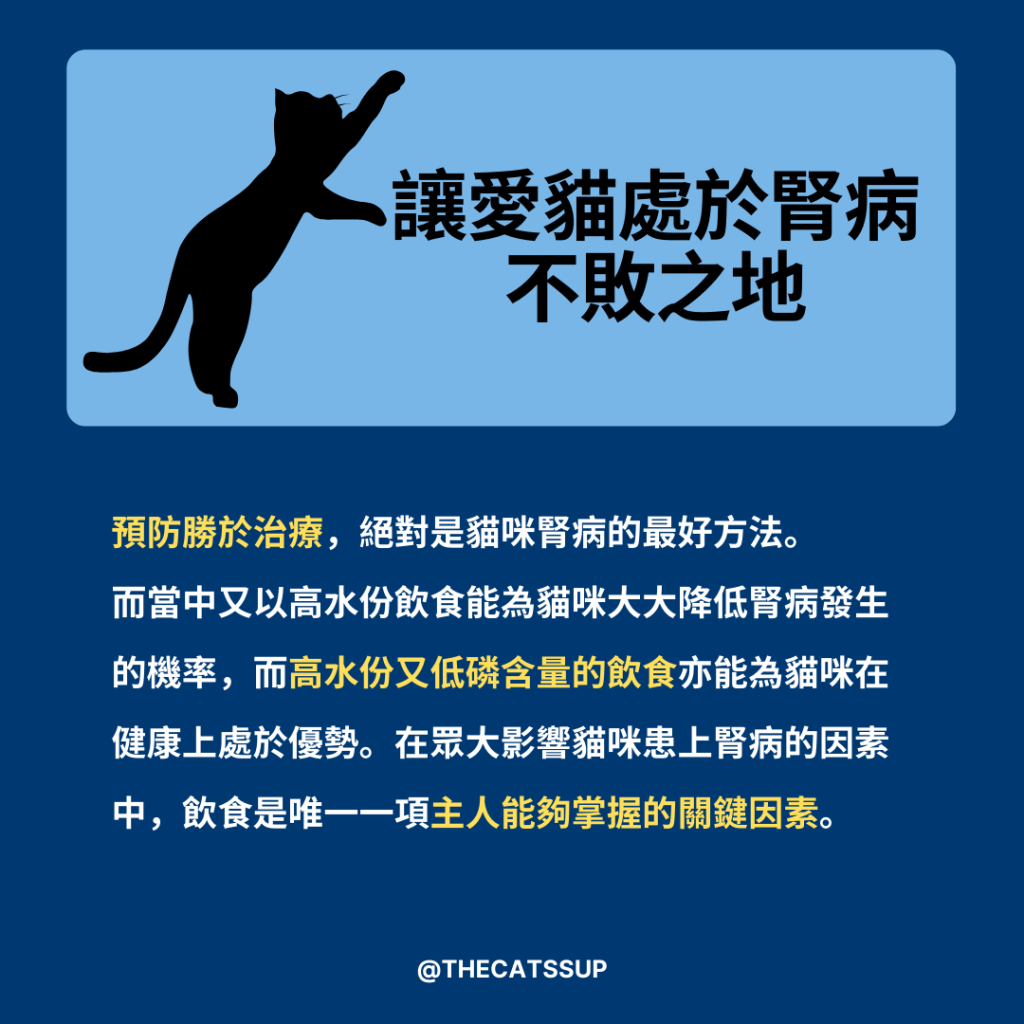
Prevention is better than cure, and this is absolutely the best approach when it comes to feline kidney disease. Providing a high-moisture, low-phosphorus diet can significantly reduce the risk of kidney disease and give cats a health advantage. Among the various factors that can lead to kidney disease in cats, diet is the one aspect that owners have the most control over.
Hoping this information helps you better understand feline kidney disease and take measures to protect the health of your furry companion.
 English
 香港中文